Why focus on women?
See this infographic from the Multicultural Centre for Women’s Health: https://www.mcwh.com.au/wp-content/uploads/Infographic-final.pdf
Women from refugee backgrounds face multiple intersecting barriers that make generic support services often insufficient. Research by the Migration Council Australia and SETSCoP (2022) found that many women juggle heavy care responsibilities, leaving little time for study, work, or learning English. Barriers such as limited language skills, low digital access, and lack of clear information make it difficult to navigate services or find jobs. Past trauma and ongoing stress impact mental health, while visa restrictions and poor recognition of overseas qualifications often trap women in low-paid or insecure work. For single mothers, women-headed households, and those in regional areas, these barriers are even greater, leading to isolation and fewer opportunities to connect, learn, and participate fully in community life.
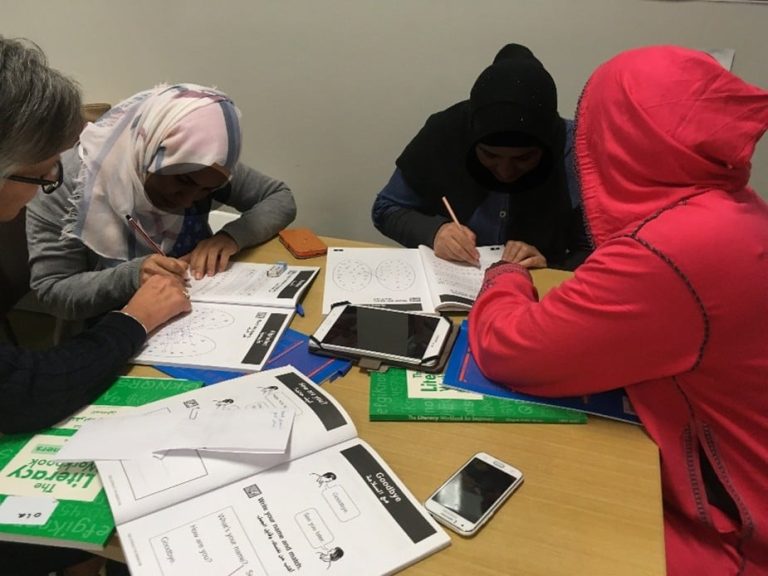
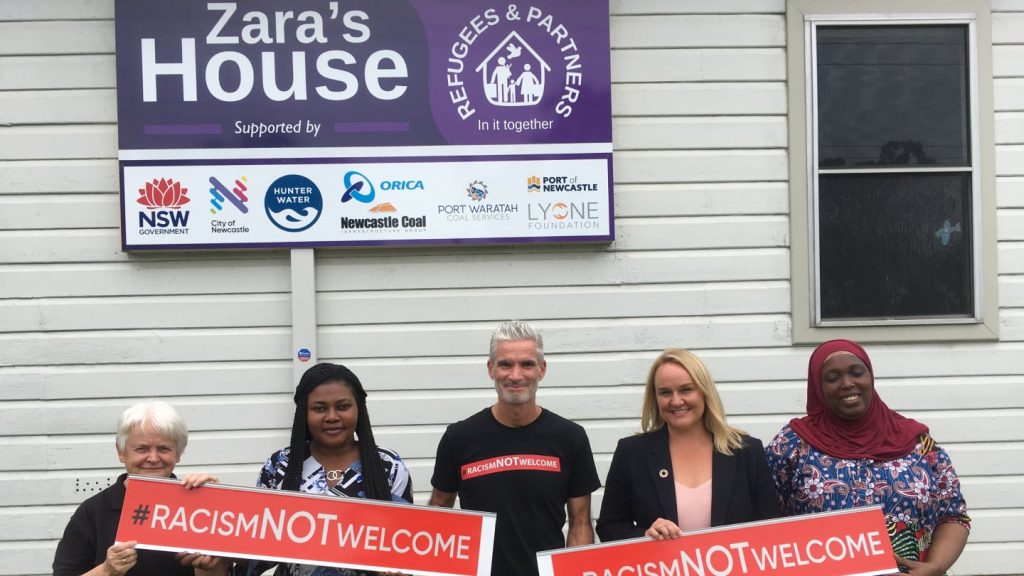
For women from refugee and migrant backgrounds in Newcastle, Zara’s House is a safe, women-only space where women can connect, share, and build confidence. For many who come from gender-segregated countries, this space offers comfort, cultural sensitivity, and the freedom to access support, learn new skills, and create strong networks of belonging and wellbeing.
Arriving in Australia
Moving to a new country is never easy and in Australia, the journey is shaped by a complex migration and refugee system. While many assume Australia takes in large numbers of refugees, the reality is quite different. In 2023–24, only 20,000 refugee places were offered, compared to nearly 190,000 visas granted through the broader Migration Program.
Once in Australia, depending on the type of visa they arrive with, people may have very different access to support services. Some refugees can receive settlement support and English classes for their first 18 months in Australia, while others like people seeking asylum get little or no formal help. Most programs are delivered through large government contracts, which often focus on things like learning English or finding a job as quickly as possible. While these services are important, they don’t always meet the everyday needs of women especially those balancing care for children, family, and community.
For more information on Australia’s Refugee Program, you can see explainers made by the Refugee Council of Australia: https://www.refugeecouncil.org.au/rcoa-refugee-get-the-facts/
Visas
In December 2024, Sister Di spoke to the local ABC to explain many refugees and people seeking asylum face serious visa challenges, which have been made worse by the closure of Newcastle’s CatholicCare migration service. Without access to affordable, registered migration agents, people are left navigating complex visa issues, from family reunion to refusals and cancellations, often at great personal and financial cost. Private agents can charge thousands of dollars, leaving many without any support at all. This gap highlights the urgent need for sustainable, low-cost migration advice services to prevent further hardship and vulnerability for refugee communities
Housing
Access to affordable and secure housing for people from migrant and refugee backgrounds is a challenge in Newcastle. Research (Ziersch et al., 2017) has identified barriers to include:
- lack of affordable housing,
- difficulty navigating the private rental market (because of limited rental histories or references
- language barriers, and not knowing where to look),
- discrimination from landlords/agents,
- large household sizes,
- and temporary or unsuitable initial accommodation.
Even when accommodation is available, it is often in poor condition, too far from services, or missing basic items. This housing insecurity not only affects people’s health and wellbeing but also makes it harder to feel a sense of belonging in their new communities.
Employment
For people from migrant and especially refugee backgrounds, finding meaningful employment in Australia can be extremely difficult. Between 2015 and 2020, only 25.6% of people aged 15–64 on the Humanitarian migration stream reported earning a personal income, compared with 80.7% of those in the Skilled migrant stream (Australian Bureau of Statistics, 2025).
Research shows that people from refugee backgrounds and those seeking asylum often arrive with valuable skills and experiences, but face severe barriers to employment, including restrictive government policies including visa work restrictions, lack of recognition for qualifications, and political rhetoric that fuels stigma (Fleay, Lumbus and Hartley, 2016). Other challenges include English language skills, mental and physical health challenge and caring responsibilities. Despite this, when given the right to work and proper support, people from refugee and migrant backgrounds are highly motivated, fill critical labour shortages, and make significant contributions to Australia’s economy and communities.
Integration and Belonging
Racism, discrimination, and feeling unwelcome or misunderstood erode trust, social connections and wellbeing, all create barriers to building a sense of belonging.